
AI tools in productivity and business automation help businesses work smarter by automating everyday tasks such as data entry, scheduling, and communication. They connect different systems to keep workflows organized and running smoothly without constant human input. These tools can also analyze data, spot trends, and suggest ways to improve performance. By reducing manual work and errors, AI helps companies save time, lower costs, and focus more on creative thinking and strategic growth.
Introduction to AI in Productivity & Automation
AI tools help businesses save time by completing repetitive tasks automatically. Instead of spending hours on manual work, teams can use AI to write content, organize data, schedule meetings, and manage workflows. This video shows how AI tools can automate daily tasks, and the article explains how businesses use AI to reduce costs, improve efficiency, and increase productivity in a consistent and reliable way for modern organizations.
AI Tools for Task & Workflow Automation
AI tools help businesses save time by completing repetitive tasks automatically. Instead of spending hours on manual work, teams can use AI to move data, send emails, update reports, and manage workflows. This video shows how AI tools can automate daily tasks, and the article explains how businesses use AI to reduce costs, improve efficiency, and increase productivity in a consistent and reliable way for modern organizations.
AI for Content Creation & Marketing
AI tools help businesses save time by completing repetitive tasks automatically. Instead of spending hours on manual work, teams can use AI to create blogs, social media posts, emails, and marketing content. This video shows how AI tools can automate daily tasks, and the article explains how businesses use AI to reduce costs, improve efficiency, and increase productivity in a consistent and reliable way for modern organizations.
AI for Sales and CRM Automation
AI tools help businesses save time by completing repetitive tasks automatically. Instead of spending hours on manual work, teams can use AI to track leads, send follow ups, organize data, and manage workflows. Sales teams can use AI to track leads and send follow-up emails. This video shows how AI tools can automate daily tasks, and the article explains how businesses use AI to reduce costs, improve efficiency, and increase productivity in a consistent and reliable way for modern organizations.
AI for Customer Support Automation
AI tools help businesses save time by completing repetitive tasks automatically. Instead of spending hours on manual work, teams can use AI to answer questions, create tickets, solve issues, and manage workflows. This video shows how AI tools can automate daily tasks, and the article explains how businesses use AI to reduce costs, improve efficiency, and increase productivity in a consistent and reliable way for modern organizations.
AI for Internal Productivity & Collaboration
AI tools help businesses save time by completing repetitive tasks automatically. Instead of spending hours on manual work, teams can use AI to summarize meetings, organize tasks, manage files, and improve workflows. This video shows how AI tools can automate daily tasks, and the article explains how businesses use AI to reduce costs, improve efficiency, and increase productivity in a consistent and reliable way for modern organizations.
AI for Finance & Operations Automation
AI tools help businesses save time by completing repetitive tasks automatically. Instead of spending hours on manual work, teams can use AI to track expenses, send invoices, update records, and manage workflows. This video shows how AI tools can automate daily tasks, and the article explains how businesses use AI to reduce costs, improve efficiency, and increase productivity in a consistent and reliable way for modern organizations.
AI for HR & Recruitment Automation
AI tools help businesses save time by completing repetitive tasks automatically. Instead of spending hours on manual work, teams can use AI to screen resumes, schedule interviews, manage data, and improve workflows. This video shows how AI tools can automate daily tasks, and the article explains how businesses use AI to reduce costs, improve efficiency, and increase productivity in a consistent and reliable way for modern organizations.
AI Automation by Business Size Level
AI tools help businesses save time by completing repetitive tasks automatically. Instead of spending hours on manual work, teams can use AI to create content, organize data, manage workflows, and support growth. This video shows how AI tools can automate daily tasks, and the article explains how businesses use AI to reduce costs, improve efficiency, and increase productivity in a consistent and reliable way for modern organizations.
Introduction to AI in Productivity and Automation
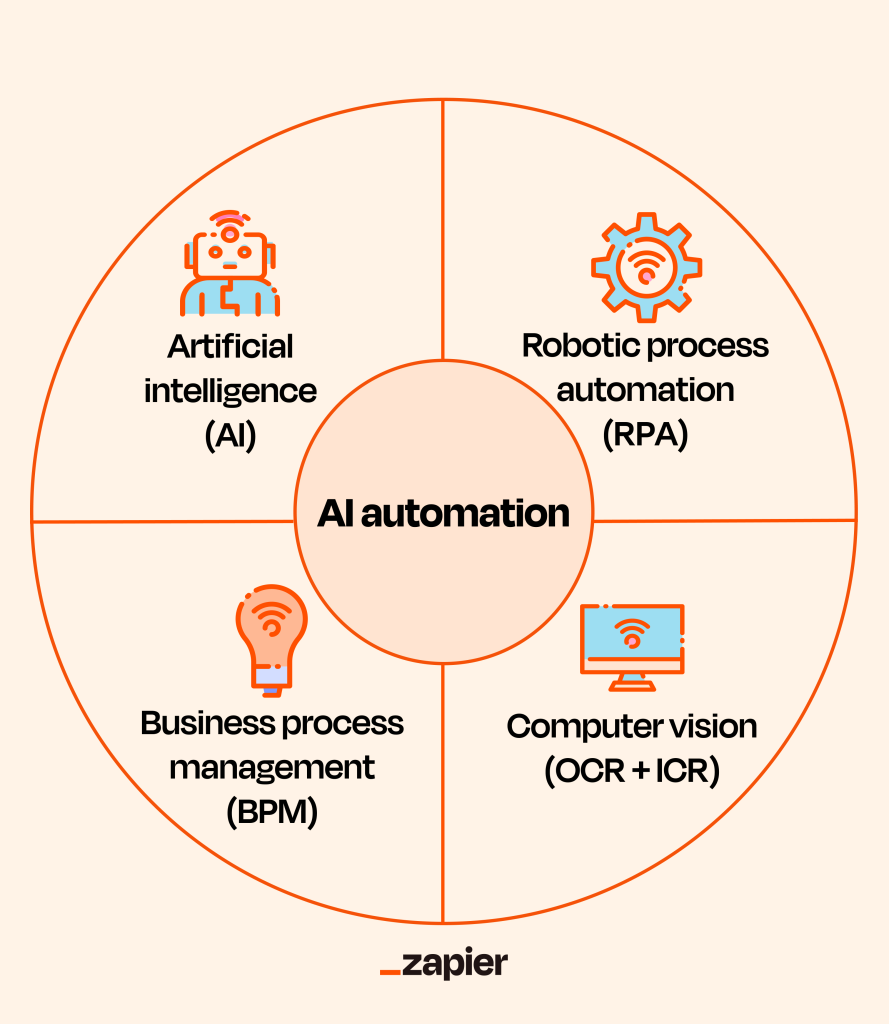
Artificial Intelligence (AI) plays an important role in improving productivity and automation by helping people complete tasks faster and more efficiently. AI tools can analyze large amounts of data, recognize patterns, and perform repetitive tasks automatically. Instead of spending time on manual work like data entry, scheduling, or sorting information, AI systems can handle these tasks in seconds. This allows people to focus on more creative and strategic work that requires human thinking and decision-making. AI tools are commonly used in workplaces to organize workflows, automate customer service, manage emails, and assist with writing or research. By reducing human error and speeding up processes, AI helps individuals and organizations work smarter, save time, and increase overall productivity.
AI Tools for Task & Workflow Automation
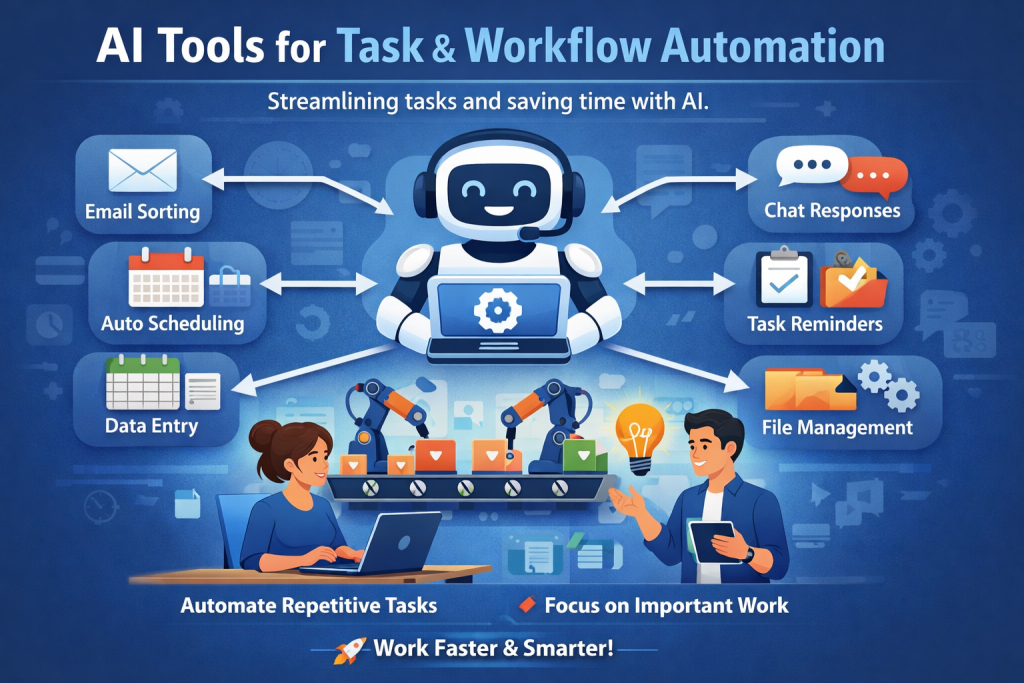
AI tools play an important role in task and workflow automation by helping people complete everyday tasks quickly and with less effort. These tools can automatically handle repetitive work such as organizing emails, scheduling meetings, entering data, sending reminders, and managing files. AI systems are able to follow patterns and rules, which allows them to complete tasks without constant human help. For example, in a workplace, AI tools can automatically move information between different apps, update spreadsheets, or respond to simple customer questions. This helps reduce mistakes and saves a lot of time for employees. Instead of spending hours on routine tasks, people can focus on more important work like solving problems, planning projects, and being creative. Overall, AI tools make workflows smoother, faster, and more organized, which helps businesses and individuals become more productive.
AI for Content Creation & Marketing Automation
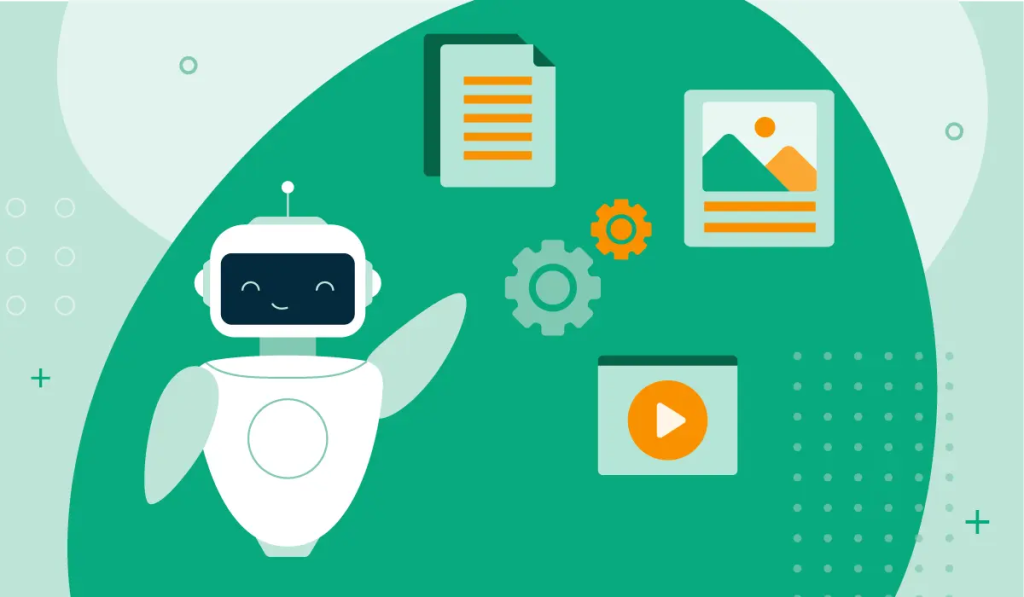
AI tools help businesses create and manage content much faster. These tools can write blog posts, social media captions, email newsletters, and marketing messages. AI can also analyze customer behavior and suggest the best time to post content or send emails. This helps businesses reach more people and improve their marketing results. For example, AI can automatically create ads, design graphics, or recommend keywords that help websites appear higher in search results. Because of this, companies can save time and focus more on creative ideas and strategy. Overall, AI makes marketing easier, faster, and more effective.
AI for Sales & CRM Automation

AI tools help companies manage their sales process and customer relationships more efficiently. CRM (Customer Relationship Management) systems use AI to track customer interactions, organize contact information, and analyze buying patterns. AI can also predict which customers are most likely to buy a product and help sales teams focus on those leads. Some AI tools automatically send follow-up emails, reminders, or personalized offers to customers. This improves communication and increases the chances of making a sale. By automating these tasks, sales teams can spend more time building relationships with customers instead of doing manual work.
AI for Customer Support Automation
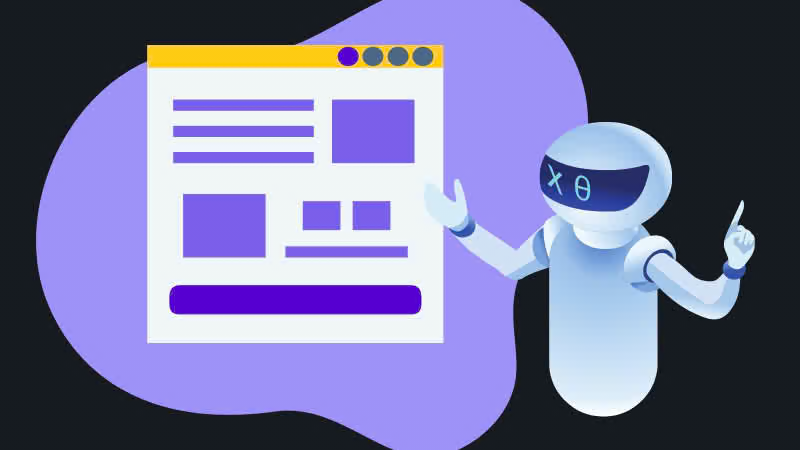
AI tools are widely used to improve customer support. One common example is chatbots, which can answer customer questions instantly on websites or apps. These AI systems can respond to common problems, guide users through steps, and provide helpful information at any time of the day. AI can also analyze customer messages to understand their needs and send them to the right support team. This helps companies respond faster and provide better service. By handling simple questions automatically, AI allows human support agents to focus on more complex customer issues.
AI for Internal Productivity & Team Collaboration
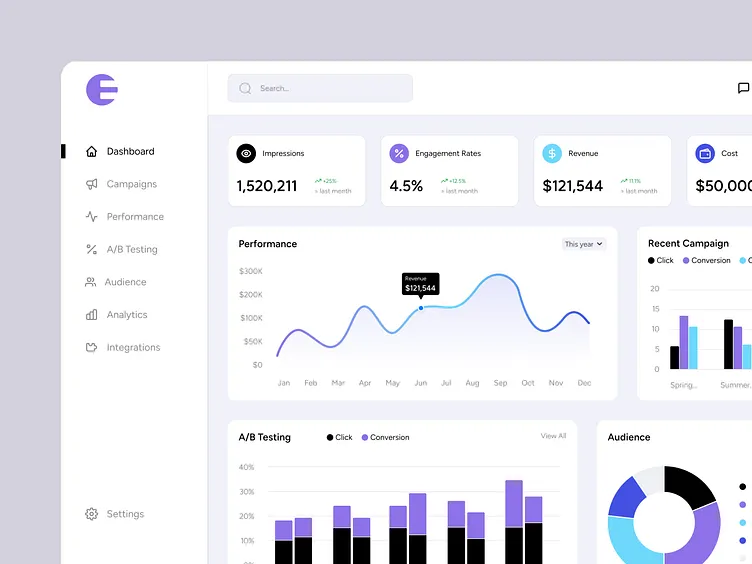
AI tools help teams work together more efficiently by improving productivity and communication. These tools can organize schedules, summarize meeting notes, and manage project tasks automatically. AI assistants can remind team members about deadlines, suggest priorities, and help manage workloads. Some AI tools also summarize long documents or conversations so teams can quickly understand important information. By reducing time spent on routine tasks, AI helps employees focus on teamwork, problem solving, and creative work. This leads to better collaboration and faster project completion.
AI for Finance & Operations Automation
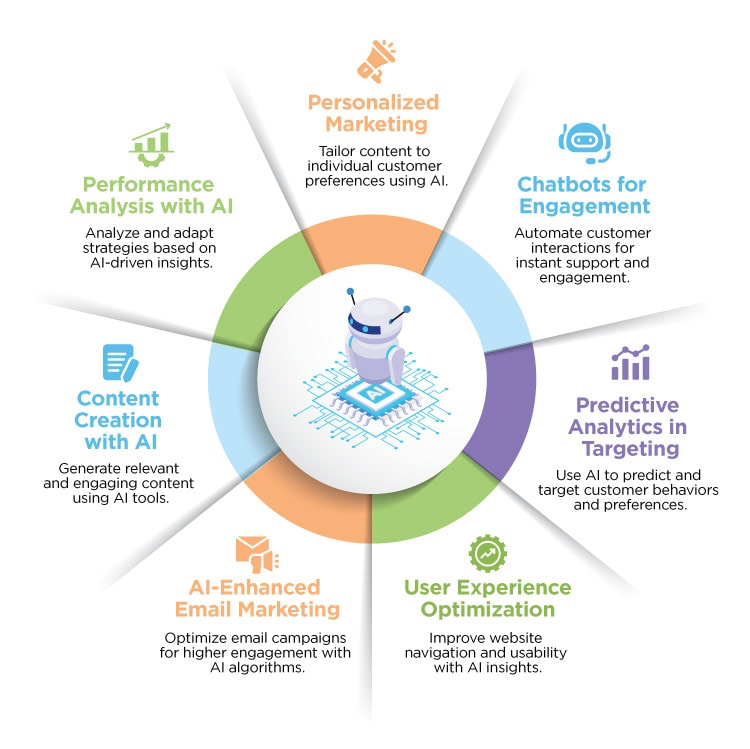
AI tools help businesses manage financial tasks and daily operations more efficiently. These tools can automatically track expenses, process invoices, analyze financial data, and detect unusual transactions. AI systems can also predict future sales or expenses by studying past data. This helps companies make better financial decisions and plan their budgets more accurately. In operations, AI can monitor workflows, manage inventory, and improve supply chains. By automating these processes, businesses can reduce errors, save time, and improve overall efficiency.
AI for HR & Recruitment Automation
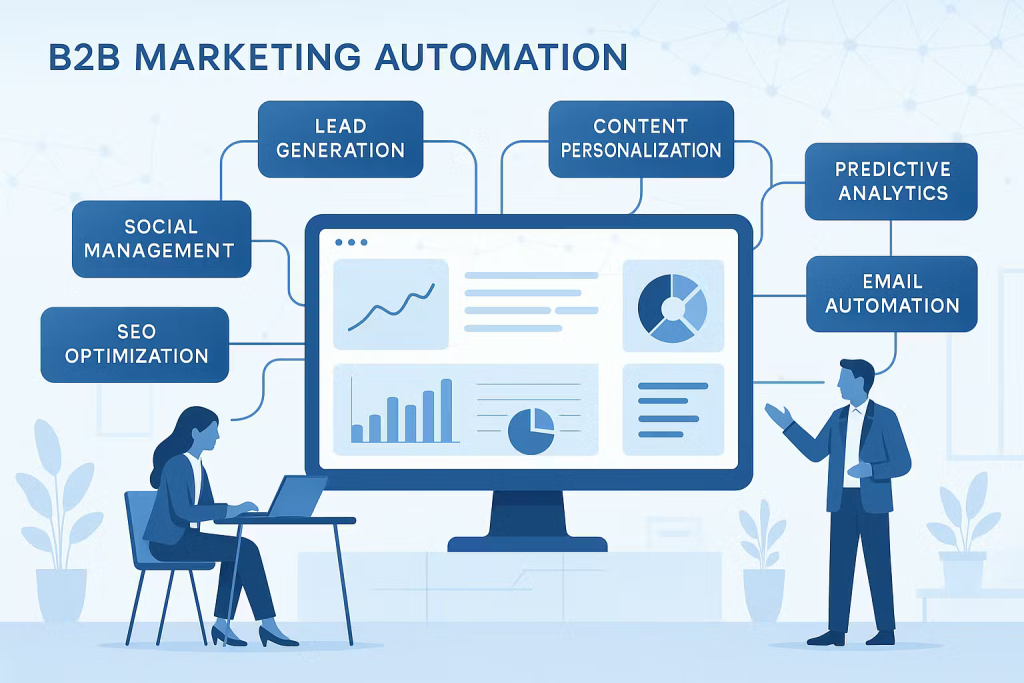
AI tools help human resource (HR) teams hire and manage employees more efficiently. AI can quickly review resumes and identify candidates who match the job requirements. It can also schedule interviews, send follow-up messages, and answer basic questions from job applicants. During recruitment, AI tools can analyze skills, experience, and qualifications to help HR teams find the best candidates faster. Some AI systems also help with employee training, performance tracking, and engagement surveys. By automating these tasks, HR teams can focus more on supporting employees and improving workplace culture.
AI Automation by Business Size
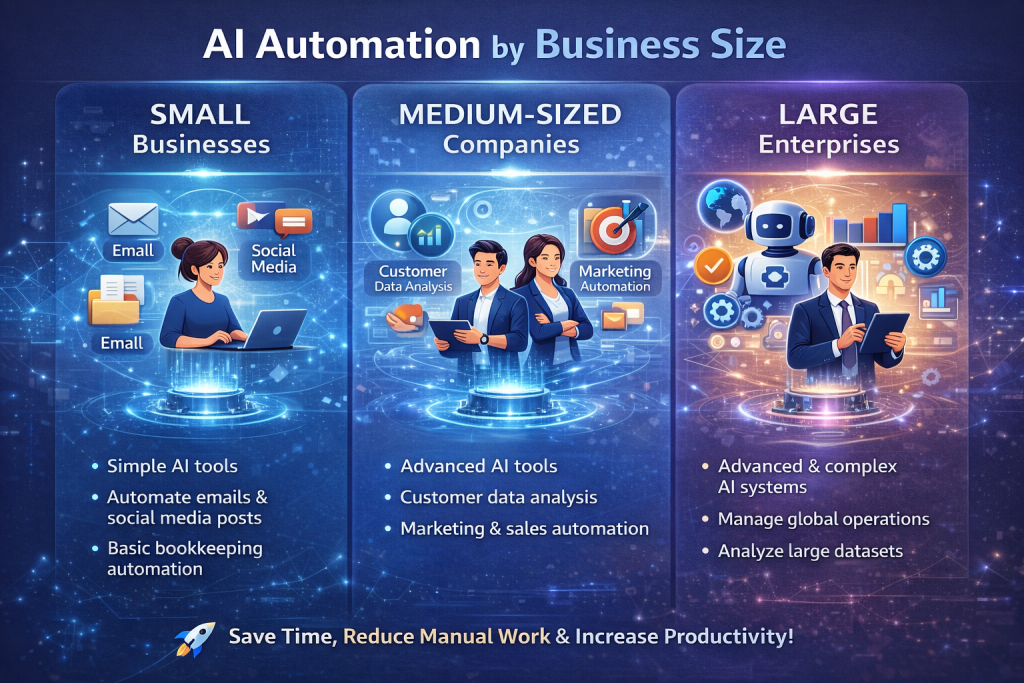
AI automation can benefit businesses of all sizes, from small startups to large corporations. Small businesses often use simple AI tools to automate tasks like social media posting, customer emails, and bookkeeping. Medium-sized companies may use AI to manage sales systems, analyze customer data, and improve marketing strategies. Large organizations use advanced AI systems to automate large workflows, manage global operations, and analyze huge amounts of data. Even though the scale is different, the main goal is the same: to save time, reduce manual work, and improve productivity. AI allows businesses of any size to work smarter and grow faster.
Explore Other Grade Levels:

Proudly powered by WordPress